%20%20--%3E%0A%3Csvg%20version%3D%221.1%22%20xmlns%3D%22http%3A%2F%2Fwww.w3.org%2F2000%2Fsvg%22%20xmlns%3Axlink%3D%22http%3A%2F%2Fwww.w3.org%2F1999%2Fxlink%22%20x%3D%220px%22%20y%3D%220px%22%0A%09%20viewBox%3D%220%200%201004.4%20200%22%20style%3D%22enable-background%3Anew%200%200%201004.4%20200%3B%22%20xml%3Aspace%3D%22preserve%22%3E%0A%3Cstyle%20type%3D%22text%2Fcss%22%3E%0A%09.st0%7Bfill%3A%23231F20%3B%7D%0A%09.st1%7Bfill%3A%23005B9E%3B%7D%0A%09.st2%7Bfill%3A%23FFFFFF%3B%7D%0A%09.st3%7Bfill%3A%23989898%3B%7D%0A%09.st4%7Bfill%3A%23EE3B3F%3B%7D%0A%3C%2Fstyle%3E%0A%3Cg%20id%3D%22Template%22%3E%0A%3C%2Fg%3E%0A%3Cg%20id%3D%22Layer_2%22%3E%0A%09%3Cg%3E%0A%09%09%3Cpath%20class%3D%22st2%22%20d%3D%22M41%2C12.5H0v137.7h41c13.6%2C0%2C25.1-5.5%2C34.4-16.4c9.3-11%2C14.1-28.4%2C14.2-52.4c-0.1-24-4.9-41.5-14.2-52.4%0A%09%09%09C66.1%2C18%2C54.6%2C12.5%2C41%2C12.5z%20M61.5%2C115.3c-4.9%2C8.5-11.7%2C12.9-20.5%2C13.2H20.8V81.4V34.3H41c8.8%2C0.3%2C15.6%2C4.4%2C20.6%2C12.4%0A%09%09%09c5%2C8%2C7.5%2C19.6%2C7.5%2C34.6C68.9%2C95.5%2C66.4%2C106.8%2C61.5%2C115.3z%22%2F%3E%0A%09%09%3Cpath%20class%3D%22st2%22%20d%3D%22M146%2C47.3c-14.5%2C0.4-25.2%2C6.4-32.2%2C17.9c-5.1%2C8.8-7.7%2C20.4-7.8%2C34.7c0.1%2C13.8%2C2.7%2C25.1%2C7.8%2C33.9%0A%09%09%09c6.8%2C11.9%2C17.5%2C18.2%2C32.2%2C18.9c14.6-0.7%2C25.4-7%2C32.2-18.9c5.1-8.8%2C7.7-20.1%2C7.8-33.9c-0.1-14.4-2.7-26-7.8-34.7%0A%09%09%09C171.2%2C53.6%2C160.5%2C47.7%2C146%2C47.3z%20M162.5%2C119.2c-3.5%2C7.8-9.1%2C11.7-16.7%2C11.7c-6.9%2C0-12.4-3.9-16.3-11.7%0A%09%09%09c-2.4-5.5-3.5-11.9-3.5-19.1c0-7.7%2C1.2-14.3%2C3.5-19.7c3.4-7.8%2C8.8-11.7%2C16.3-11.7c7.7%2C0%2C13.3%2C3.9%2C16.7%2C11.7%0A%09%09%09c2.4%2C5.5%2C3.5%2C12.1%2C3.5%2C19.7C166%2C107.4%2C164.8%2C113.7%2C162.5%2C119.2z%22%2F%3E%0A%09%09%3Cpath%20class%3D%22st2%22%20d%3D%22M260.4%2C54.5c-4.2-4.7-10.2-7.1-18.1-7.2c-26.4%2C0.5-39.6%2C18.6-39.6%2C54.3c0%2C34.1%2C13.1%2C51.2%2C39.2%2C51.2%0A%09%09%09c6.8%2C0%2C13-2%2C18.4-6v3.5h20.8v-140l-20.8%2C10.9V54.5z%20M260%2C123.7c-4.8%2C6.6-10.9%2C9.8-18.2%2C9.7c-12.3-0.1-18.5-10.8-18.6-32.1%0A%09%09%09c0-21.1%2C6.4-32.1%2C19.2-32.9c8%2C0%2C13.9%2C3.4%2C17.7%2C10.1V123.7z%22%2F%3E%0A%09%09%3Cpath%20class%3D%22st2%22%20d%3D%22M359.5%2C54.5c-4.2-4.7-10.2-7.1-18.1-7.2c-26.4%2C0.5-39.6%2C18.6-39.6%2C54.3c0%2C34.1%2C13.1%2C51.2%2C39.2%2C51.2%0A%09%09%09c6.8%2C0%2C13-2%2C18.4-6c0.4%2C16.9-7.3%2C28.6-23%2C35.1l8.6%2C18.1c22.5-8.6%2C34.2-26.4%2C35.1-53.2V48.1h-20.8V54.5z%20M359.1%2C123.7%0A%09%09%09c-4.8%2C6.6-10.9%2C9.8-18.2%2C9.7c-12.3-0.1-18.5-10.8-18.6-32.1c0-21.1%2C6.4-32.1%2C19.2-32.9c8%2C0%2C13.9%2C3.4%2C17.7%2C10.1V123.7z%22%2F%3E%0A%09%09%3Cpath%20class%3D%22st2%22%20d%3D%22M465.9%2C61.7c-7-9.6-16.3-14.4-28-14.4c-12.4%2C0-22.1%2C5.2-29.1%2C15.5c-7%2C10.3-10.5%2C22.6-10.5%2C36.7%0A%09%09%09c0%2C17.1%2C3.6%2C30.3%2C10.9%2C39.5c7.3%2C9.2%2C16.8%2C13.8%2C28.7%2C13.8c16.9-0.4%2C28.6-8.3%2C35.1-23.6l-18.6-8c-3.9%2C7-9.6%2C10.3-16.9%2C10.1%0A%09%09%09c-5.2%2C0.1-9.5-1.9-12.8-6.1c-3.3-4.2-4.9-9.5-4.9-15.9h56.5C476.4%2C87.1%2C472.9%2C71.3%2C465.9%2C61.7z%20M419.5%2C89%0A%09%09%09c-0.3-5.2%2C1.3-10.1%2C4.7-14.7c3.4-4.6%2C8-6.8%2C13.7-6.7c5.4%2C0%2C9.6%2C2.1%2C12.9%2C6.4c3.2%2C4.2%2C4.7%2C9.2%2C4.6%2C15H419.5z%22%2F%3E%0A%09%09%3Cpath%20class%3D%22st2%22%20d%3D%22M515.9%2C55.5v-7.4h-21v102.2h21.2V87.6c0.5-12.6%2C5.2-19%2C13.9-19.3c4.1-0.1%2C8%2C1.8%2C12%2C6l6.9-19.9%0A%09%09%09c-5.1-4.5-11-6.8-17.7-7C524.5%2C47.3%2C519.4%2C50%2C515.9%2C55.5z%22%2F%3E%0A%09%09%3Cpath%20class%3D%22st2%22%20d%3D%22M598.1%2C86.3c-6.5-2.6-10.6-4.6-12.3-6c-1.6-1.4-2.4-3.2-2.3-5.3c0.1-2.5%2C1.1-4.4%2C3-5.9%0A%09%09%09c1.9-1.4%2C4.5-2.2%2C7.8-2.2c8%2C0.3%2C15.2%2C3.5%2C21.6%2C9.7l13.1-13.8c-9.3-10.3-21-15.6-35.1-15.8c-9.3%2C0-16.8%2C2.9-22.5%2C8.7%0A%09%09%09c-5.7%2C5.8-8.3%2C12.1-7.9%2C18.8c0%2C6.7%2C2.2%2C12.6%2C6.7%2C17.7c4.4%2C5.1%2C11.5%2C9.3%2C21.2%2C12.7c6.7%2C2.7%2C11.5%2C5.5%2C14.5%2C8.2%0A%09%09%09c3%2C2.7%2C4.4%2C5.7%2C4.3%2C8.8c0.1%2C3.2-1.4%2C5.8-4.6%2C7.9c-3.2%2C2.1-7.1%2C3.1-11.7%2C3c-6.4-0.1-13.6-3.5-21.6-10.1l-13.7%2C14.4%0A%09%09%09c10.7%2C10.1%2C22.5%2C15.3%2C35.3%2C15.4c11.3-0.1%2C20.1-2.9%2C26.5-8.3c6.4-5.4%2C9.7-12.5%2C9.8-21.3c0-10-3-17.9-9.1-23.6%0A%09%09%09C615%2C93.7%2C607.4%2C89.3%2C598.1%2C86.3z%22%2F%3E%0A%09%09%3Cpolygon%20class%3D%22st2%22%20points%3D%22775.5%2C85.1%20758.4%2C12.5%20738.2%2C12.5%20721.5%2C85.1%20711.3%2C12.5%20690.1%2C12.5%20709.5%2C150.3%20728%2C150.3%20%0A%09%09%09748.2%2C61.9%20769%2C150.3%20787.4%2C150.3%20806.9%2C12.5%20785.7%2C12.5%20%09%09%22%2F%3E%0A%09%09%3Cpath%20class%3D%22st2%22%20d%3D%22M883.5%2C56.4c-7-6.1-15.6-9.1-25.8-9.1c-12.4%2C0.4-23.4%2C4.1-32.8%2C11.1L835.3%2C75c6.8-5.2%2C14.5-7.7%2C23-7.4%0A%09%09%09c9.9%2C1%2C14.8%2C6.4%2C14.5%2C16.4c-5.2-1.5-10.9-2.3-16.9-2.3c-10.9-0.1-19.5%2C3.2-25.8%2C10c-6.3%2C6.8-9.5%2C15.2-9.5%2C25.2%0A%09%09%09c0%2C11.6%2C3.4%2C20.5%2C10.3%2C26.6c6.9%2C6.1%2C15.5%2C9.2%2C26%2C9.4c6.3-0.1%2C12-2.1%2C17.1-6v3.3h20.2V83C894%2C71.4%2C890.5%2C62.5%2C883.5%2C56.4z%0A%09%09%09%20M872.2%2C127c-5%2C5.1-10.3%2C7.6-15.9%2C7.6c-5.2%2C0-9.4-1.8-12.5-5.5c-3.1-3.7-4.6-7.6-4.6-11.7c-0.1-4%2C1.3-7.5%2C4.3-10.7%0A%09%09%09c3-3.2%2C6.8-4.7%2C11.4-4.7c5.8%2C0%2C11.5%2C0.8%2C17.3%2C2.5V127z%22%2F%3E%0A%09%09%3Cpolygon%20class%3D%22st2%22%20points%3D%22980.9%2C49.7%20955.6%2C120.2%20929.3%2C49.7%20906.7%2C49.7%20943.6%2C150.3%20924.4%2C199.8%20947.5%2C199.8%201004.4%2C49.7%20%09%09%0A%09%09%09%22%2F%3E%0A%09%3C%2Fg%3E%0A%3C%2Fg%3E%0A%3C%2Fsvg%3E%0A)

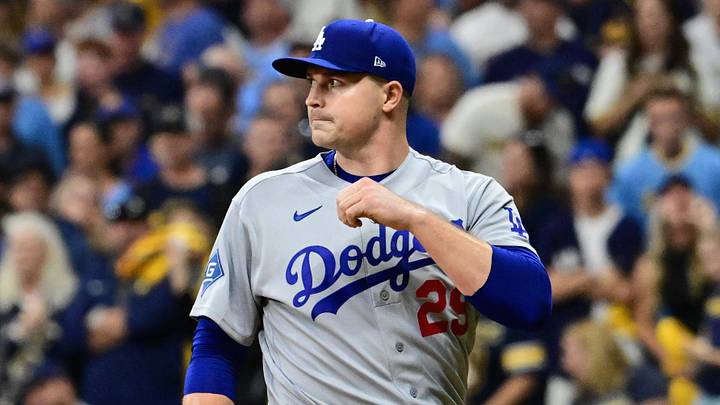
The Milwaukee Brewers' World Series title may have planted a seed of doubt for some fans. A mid-market team beat the Tampa Bay Rays in October while the most expensive roster in history fell short, and plenty of people took that as proof that money can't buy a ring.
Don't buy it. There's a reason baseball is staring at a lockout when the CBA expires on December 1, and it centers on the Dodgers and their roster building over the past few seasons. Andrew Friedman cracked the code for building a modern champion: spend on elite talent, use deferrals and short, high-AAV deals to manage the luxury tax, and keep the minor-league system stocked enough to trade for whatever's missing. That formula produced back-to-back titles in 2024 and 2025.
That's what made this week so unusual. Tarik Skubal, whom the Dodgers acquired at the deadline, signed with the Mets for nine years and $450 million, and Los Angeles let the prize of the winter walk. After posting a 2.61 ERA across 10 starts and 62 innings as a Dodger, he was exactly the kind of player Friedman usually keeps. So what would it have cost to keep him?
Where the Dodgers' 2027 payroll stands without Skubal
Before adding a single free agent, the Dodgers' projected 2027 luxury tax payroll sits around $385 million, the highest in baseball, with seven players carrying tax figures over $25 million. That follows an MLB-record tax payroll of roughly $433 million in 2026 and an estimated tax bill of about $180 million.
No 2027 tax thresholds exist yet because the CBA is expiring, so the 2026 numbers are the best placeholder. Using the $244 million base threshold, the Dodgers are already about $141 million over before making a move. As a third-time-plus payor, they're taxed at 50% on the first $20 million over the line, 62% on the next $20 million, 95% on the next $20 million and 110% on everything beyond $60 million. That puts their 2027 bill at roughly $130 million as the roster stands today.
Now add Skubal at $50 million a year. Because the Dodgers are already deep in the top tier, every dollar of his salary would be taxed at 110%. That's about $55 million in tax on top of his $50 million salary, so he'd effectively cost $105 million a season. Their tax payroll would jump to roughly $435 million and the tax bill to around $185 million.
The structure was the other sticking point. Friedman's preference all winter was a short, high-AAV deal like Kyle Tucker's four-year, $240 million contract. Skubal's camp reportedly had no interest in that and wanted the longest guarantee on the table. A nine-year commitment would have locked in that $105 million annual hit (assuming the new CBA follows the last luxury tax rules) for most of a decade, unless deferrals lowered the tax figure, which reports are saying are minimal.
When the Dodgers won in 2024, the roster wasn't just stars. It ran on value: Shohei deferred most of his enormous contract, Teoscar Hernández on a one-year deal, a deadline trade for Tommy Edman, who became NLCS MVP, Jack Flaherty as a rental, and homegrown contributors like Will Smith and a farm system that keeps producing. Paying Skubal would have meant trading away more of that cost-controlled depth, the same kind Friedman already spent on prospects like Zyhir Hope to get Skubal in the first place.
As for the draft, re-signing him wouldn't have cost a pick. Because Skubal was traded midseason, he wasn't eligible for a qualifying offer, so no team had to forfeit anything to sign him. The Dodgers are already more than $40 million over the threshold, which drops their top pick 10 spots regardless. The real cost was in dollars, not picks.
There was likely a reason Friedman let this one go, and it came down to paying most of that $450 million over a nine-year framework. For now, let the East Coast piggy bank in Queens handle it. Skubal's deal runs through his age-38 season, and the Mets can figure out what to do with that contract when Skubal inevitably becomes the crusty veteran pitching in 2035. No offense, Skub!
 Add us as a preferred source on Google