%20%20--%3E%0A%3Csvg%20version%3D%221.1%22%20xmlns%3D%22http%3A%2F%2Fwww.w3.org%2F2000%2Fsvg%22%20xmlns%3Axlink%3D%22http%3A%2F%2Fwww.w3.org%2F1999%2Fxlink%22%20x%3D%220px%22%20y%3D%220px%22%0A%09%20viewBox%3D%220%200%201004.4%20200%22%20style%3D%22enable-background%3Anew%200%200%201004.4%20200%3B%22%20xml%3Aspace%3D%22preserve%22%3E%0A%3Cstyle%20type%3D%22text%2Fcss%22%3E%0A%09.st0%7Bfill%3A%23231F20%3B%7D%0A%09.st1%7Bfill%3A%23005B9E%3B%7D%0A%09.st2%7Bfill%3A%23FFFFFF%3B%7D%0A%09.st3%7Bfill%3A%23989898%3B%7D%0A%09.st4%7Bfill%3A%23EE3B3F%3B%7D%0A%3C%2Fstyle%3E%0A%3Cg%20id%3D%22Template%22%3E%0A%3C%2Fg%3E%0A%3Cg%20id%3D%22Layer_2%22%3E%0A%09%3Cg%3E%0A%09%09%3Cpath%20class%3D%22st2%22%20d%3D%22M41%2C12.5H0v137.7h41c13.6%2C0%2C25.1-5.5%2C34.4-16.4c9.3-11%2C14.1-28.4%2C14.2-52.4c-0.1-24-4.9-41.5-14.2-52.4%0A%09%09%09C66.1%2C18%2C54.6%2C12.5%2C41%2C12.5z%20M61.5%2C115.3c-4.9%2C8.5-11.7%2C12.9-20.5%2C13.2H20.8V81.4V34.3H41c8.8%2C0.3%2C15.6%2C4.4%2C20.6%2C12.4%0A%09%09%09c5%2C8%2C7.5%2C19.6%2C7.5%2C34.6C68.9%2C95.5%2C66.4%2C106.8%2C61.5%2C115.3z%22%2F%3E%0A%09%09%3Cpath%20class%3D%22st2%22%20d%3D%22M146%2C47.3c-14.5%2C0.4-25.2%2C6.4-32.2%2C17.9c-5.1%2C8.8-7.7%2C20.4-7.8%2C34.7c0.1%2C13.8%2C2.7%2C25.1%2C7.8%2C33.9%0A%09%09%09c6.8%2C11.9%2C17.5%2C18.2%2C32.2%2C18.9c14.6-0.7%2C25.4-7%2C32.2-18.9c5.1-8.8%2C7.7-20.1%2C7.8-33.9c-0.1-14.4-2.7-26-7.8-34.7%0A%09%09%09C171.2%2C53.6%2C160.5%2C47.7%2C146%2C47.3z%20M162.5%2C119.2c-3.5%2C7.8-9.1%2C11.7-16.7%2C11.7c-6.9%2C0-12.4-3.9-16.3-11.7%0A%09%09%09c-2.4-5.5-3.5-11.9-3.5-19.1c0-7.7%2C1.2-14.3%2C3.5-19.7c3.4-7.8%2C8.8-11.7%2C16.3-11.7c7.7%2C0%2C13.3%2C3.9%2C16.7%2C11.7%0A%09%09%09c2.4%2C5.5%2C3.5%2C12.1%2C3.5%2C19.7C166%2C107.4%2C164.8%2C113.7%2C162.5%2C119.2z%22%2F%3E%0A%09%09%3Cpath%20class%3D%22st2%22%20d%3D%22M260.4%2C54.5c-4.2-4.7-10.2-7.1-18.1-7.2c-26.4%2C0.5-39.6%2C18.6-39.6%2C54.3c0%2C34.1%2C13.1%2C51.2%2C39.2%2C51.2%0A%09%09%09c6.8%2C0%2C13-2%2C18.4-6v3.5h20.8v-140l-20.8%2C10.9V54.5z%20M260%2C123.7c-4.8%2C6.6-10.9%2C9.8-18.2%2C9.7c-12.3-0.1-18.5-10.8-18.6-32.1%0A%09%09%09c0-21.1%2C6.4-32.1%2C19.2-32.9c8%2C0%2C13.9%2C3.4%2C17.7%2C10.1V123.7z%22%2F%3E%0A%09%09%3Cpath%20class%3D%22st2%22%20d%3D%22M359.5%2C54.5c-4.2-4.7-10.2-7.1-18.1-7.2c-26.4%2C0.5-39.6%2C18.6-39.6%2C54.3c0%2C34.1%2C13.1%2C51.2%2C39.2%2C51.2%0A%09%09%09c6.8%2C0%2C13-2%2C18.4-6c0.4%2C16.9-7.3%2C28.6-23%2C35.1l8.6%2C18.1c22.5-8.6%2C34.2-26.4%2C35.1-53.2V48.1h-20.8V54.5z%20M359.1%2C123.7%0A%09%09%09c-4.8%2C6.6-10.9%2C9.8-18.2%2C9.7c-12.3-0.1-18.5-10.8-18.6-32.1c0-21.1%2C6.4-32.1%2C19.2-32.9c8%2C0%2C13.9%2C3.4%2C17.7%2C10.1V123.7z%22%2F%3E%0A%09%09%3Cpath%20class%3D%22st2%22%20d%3D%22M465.9%2C61.7c-7-9.6-16.3-14.4-28-14.4c-12.4%2C0-22.1%2C5.2-29.1%2C15.5c-7%2C10.3-10.5%2C22.6-10.5%2C36.7%0A%09%09%09c0%2C17.1%2C3.6%2C30.3%2C10.9%2C39.5c7.3%2C9.2%2C16.8%2C13.8%2C28.7%2C13.8c16.9-0.4%2C28.6-8.3%2C35.1-23.6l-18.6-8c-3.9%2C7-9.6%2C10.3-16.9%2C10.1%0A%09%09%09c-5.2%2C0.1-9.5-1.9-12.8-6.1c-3.3-4.2-4.9-9.5-4.9-15.9h56.5C476.4%2C87.1%2C472.9%2C71.3%2C465.9%2C61.7z%20M419.5%2C89%0A%09%09%09c-0.3-5.2%2C1.3-10.1%2C4.7-14.7c3.4-4.6%2C8-6.8%2C13.7-6.7c5.4%2C0%2C9.6%2C2.1%2C12.9%2C6.4c3.2%2C4.2%2C4.7%2C9.2%2C4.6%2C15H419.5z%22%2F%3E%0A%09%09%3Cpath%20class%3D%22st2%22%20d%3D%22M515.9%2C55.5v-7.4h-21v102.2h21.2V87.6c0.5-12.6%2C5.2-19%2C13.9-19.3c4.1-0.1%2C8%2C1.8%2C12%2C6l6.9-19.9%0A%09%09%09c-5.1-4.5-11-6.8-17.7-7C524.5%2C47.3%2C519.4%2C50%2C515.9%2C55.5z%22%2F%3E%0A%09%09%3Cpath%20class%3D%22st2%22%20d%3D%22M598.1%2C86.3c-6.5-2.6-10.6-4.6-12.3-6c-1.6-1.4-2.4-3.2-2.3-5.3c0.1-2.5%2C1.1-4.4%2C3-5.9%0A%09%09%09c1.9-1.4%2C4.5-2.2%2C7.8-2.2c8%2C0.3%2C15.2%2C3.5%2C21.6%2C9.7l13.1-13.8c-9.3-10.3-21-15.6-35.1-15.8c-9.3%2C0-16.8%2C2.9-22.5%2C8.7%0A%09%09%09c-5.7%2C5.8-8.3%2C12.1-7.9%2C18.8c0%2C6.7%2C2.2%2C12.6%2C6.7%2C17.7c4.4%2C5.1%2C11.5%2C9.3%2C21.2%2C12.7c6.7%2C2.7%2C11.5%2C5.5%2C14.5%2C8.2%0A%09%09%09c3%2C2.7%2C4.4%2C5.7%2C4.3%2C8.8c0.1%2C3.2-1.4%2C5.8-4.6%2C7.9c-3.2%2C2.1-7.1%2C3.1-11.7%2C3c-6.4-0.1-13.6-3.5-21.6-10.1l-13.7%2C14.4%0A%09%09%09c10.7%2C10.1%2C22.5%2C15.3%2C35.3%2C15.4c11.3-0.1%2C20.1-2.9%2C26.5-8.3c6.4-5.4%2C9.7-12.5%2C9.8-21.3c0-10-3-17.9-9.1-23.6%0A%09%09%09C615%2C93.7%2C607.4%2C89.3%2C598.1%2C86.3z%22%2F%3E%0A%09%09%3Cpolygon%20class%3D%22st2%22%20points%3D%22775.5%2C85.1%20758.4%2C12.5%20738.2%2C12.5%20721.5%2C85.1%20711.3%2C12.5%20690.1%2C12.5%20709.5%2C150.3%20728%2C150.3%20%0A%09%09%09748.2%2C61.9%20769%2C150.3%20787.4%2C150.3%20806.9%2C12.5%20785.7%2C12.5%20%09%09%22%2F%3E%0A%09%09%3Cpath%20class%3D%22st2%22%20d%3D%22M883.5%2C56.4c-7-6.1-15.6-9.1-25.8-9.1c-12.4%2C0.4-23.4%2C4.1-32.8%2C11.1L835.3%2C75c6.8-5.2%2C14.5-7.7%2C23-7.4%0A%09%09%09c9.9%2C1%2C14.8%2C6.4%2C14.5%2C16.4c-5.2-1.5-10.9-2.3-16.9-2.3c-10.9-0.1-19.5%2C3.2-25.8%2C10c-6.3%2C6.8-9.5%2C15.2-9.5%2C25.2%0A%09%09%09c0%2C11.6%2C3.4%2C20.5%2C10.3%2C26.6c6.9%2C6.1%2C15.5%2C9.2%2C26%2C9.4c6.3-0.1%2C12-2.1%2C17.1-6v3.3h20.2V83C894%2C71.4%2C890.5%2C62.5%2C883.5%2C56.4z%0A%09%09%09%20M872.2%2C127c-5%2C5.1-10.3%2C7.6-15.9%2C7.6c-5.2%2C0-9.4-1.8-12.5-5.5c-3.1-3.7-4.6-7.6-4.6-11.7c-0.1-4%2C1.3-7.5%2C4.3-10.7%0A%09%09%09c3-3.2%2C6.8-4.7%2C11.4-4.7c5.8%2C0%2C11.5%2C0.8%2C17.3%2C2.5V127z%22%2F%3E%0A%09%09%3Cpolygon%20class%3D%22st2%22%20points%3D%22980.9%2C49.7%20955.6%2C120.2%20929.3%2C49.7%20906.7%2C49.7%20943.6%2C150.3%20924.4%2C199.8%20947.5%2C199.8%201004.4%2C49.7%20%09%09%0A%09%09%09%22%2F%3E%0A%09%3C%2Fg%3E%0A%3C%2Fg%3E%0A%3C%2Fsvg%3E%0A)

The Los Angeles Dodgers didn’t just reset the market over the last few offseasons — they rewrote the expectations for what a true big-market behemoth is supposed to look like. While other franchises flinch at the thought of the so-called “Cohen tax,” the Dodgers have treated the upper tiers of the luxury tax system like a cover charge.
Every winter, they operate as if the only real question is which superstar they want to add, not whether they can afford to add one. That level of financial muscle has created its own pressure point around the league, but nowhere does it land heavier than in the Bronx, where the Yankees are suddenly looking up at a team that has out-Yankeed the Yankees in both payroll and results.
Dodgers’ luxury tax comfort zone is exactly what the Yankees now fear
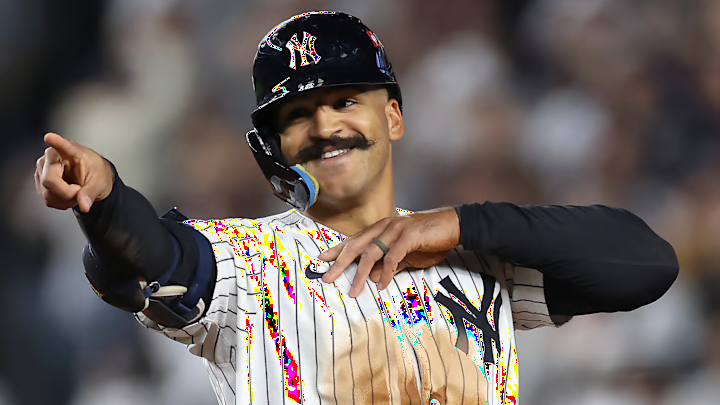
That’s the backdrop for Trent Grisham’s surprising decision to accept the Yankees’ qualifying offer — and why it feels so different in a world where the Dodgers are this aggressive. When Los Angeles is comfortably living in that top tax bracket and still talking about upgrades, it forces every other would-be heavyweight to ask if they’re willing to play in the same sandbox.
The Yankees, who once set the standard for reckless spending, now find themselves in an uncomfortable middle lane: not afraid to spend, but clearly more cautious than the Dodgers (and even the Mets) about how far they’re willing to blow past the highest threshold just to keep up. Grisham’s acceptance didn’t just lock in one more player; it nudged the Yankees right up against a line the Dodgers have already proven they’re happy to cross.
On the books, Grisham taking the one-year, $22.025 million qualifying offer is simple enough: it’s a big salary for a single season. In practice, it’s a huge chunk of money dropped into a payroll that was already swollen. With that QO locked in, the Yankees’ luxury-tax number now sits in the neighborhood of $280 million, brushing up against the third Competitive Balance Tax tier.
The roster picture gets messier from there. Grisham’s return means the Yankees’ outfield is suddenly crowded again, with Aaron Judge locked into right, Jasson Domínguez demanding everyday run, and top prospect Spencer Jones pushing his way into the conversation. For a club that still needs to get more athletic and more dynamic on offense, tying up $22 million in a player whose best fit might be as a fourth outfielder or defensive specialist is a tough pill to swallow. It’s the kind of redundancy the Dodgers typically avoid by either moving redundant pieces in trades or simply outspending their way into cleaner roster fits.
Even their escape routes are complicated. Because Grisham accepted the qualifying offer, he can’t be traded without his consent before June 15, which means the Yankees can’t just flip him in January to wiggle back under a comfortable payroll level. They’re committed — at least for the first half of the season — to paying premium dollars for a role player while still trying to plug other holes around the roster.
And that’s where the Dodgers’ spending dominance really turns into pressure. Los Angeles has already shown the rest of the league what it looks like when a superpower fully leans into its financial edge and lives with the tax consequences. Now the Yankees have to decide whether they’re still that kind of franchise or something more conservative, trapped between past swagger and present caution. Grisham’s decision didn’t break their offseason, but it did force the issue sooner: either push past the Cohen tax line and act like you’re chasing the Dodgers on their own terms, or accept that in this era, simply “spending a lot” isn’t enough when another glamour franchise is willing to spend even more — and do it without blinking.
 Add us as a preferred source on Google