%20%20--%3E%0A%3Csvg%20version%3D%221.1%22%20xmlns%3D%22http%3A%2F%2Fwww.w3.org%2F2000%2Fsvg%22%20xmlns%3Axlink%3D%22http%3A%2F%2Fwww.w3.org%2F1999%2Fxlink%22%20x%3D%220px%22%20y%3D%220px%22%0A%09%20viewBox%3D%220%200%201004.4%20200%22%20style%3D%22enable-background%3Anew%200%200%201004.4%20200%3B%22%20xml%3Aspace%3D%22preserve%22%3E%0A%3Cstyle%20type%3D%22text%2Fcss%22%3E%0A%09.st0%7Bfill%3A%23231F20%3B%7D%0A%09.st1%7Bfill%3A%23005B9E%3B%7D%0A%09.st2%7Bfill%3A%23FFFFFF%3B%7D%0A%09.st3%7Bfill%3A%23989898%3B%7D%0A%09.st4%7Bfill%3A%23EE3B3F%3B%7D%0A%3C%2Fstyle%3E%0A%3Cg%20id%3D%22Template%22%3E%0A%3C%2Fg%3E%0A%3Cg%20id%3D%22Layer_2%22%3E%0A%09%3Cg%3E%0A%09%09%3Cpath%20class%3D%22st2%22%20d%3D%22M41%2C12.5H0v137.7h41c13.6%2C0%2C25.1-5.5%2C34.4-16.4c9.3-11%2C14.1-28.4%2C14.2-52.4c-0.1-24-4.9-41.5-14.2-52.4%0A%09%09%09C66.1%2C18%2C54.6%2C12.5%2C41%2C12.5z%20M61.5%2C115.3c-4.9%2C8.5-11.7%2C12.9-20.5%2C13.2H20.8V81.4V34.3H41c8.8%2C0.3%2C15.6%2C4.4%2C20.6%2C12.4%0A%09%09%09c5%2C8%2C7.5%2C19.6%2C7.5%2C34.6C68.9%2C95.5%2C66.4%2C106.8%2C61.5%2C115.3z%22%2F%3E%0A%09%09%3Cpath%20class%3D%22st2%22%20d%3D%22M146%2C47.3c-14.5%2C0.4-25.2%2C6.4-32.2%2C17.9c-5.1%2C8.8-7.7%2C20.4-7.8%2C34.7c0.1%2C13.8%2C2.7%2C25.1%2C7.8%2C33.9%0A%09%09%09c6.8%2C11.9%2C17.5%2C18.2%2C32.2%2C18.9c14.6-0.7%2C25.4-7%2C32.2-18.9c5.1-8.8%2C7.7-20.1%2C7.8-33.9c-0.1-14.4-2.7-26-7.8-34.7%0A%09%09%09C171.2%2C53.6%2C160.5%2C47.7%2C146%2C47.3z%20M162.5%2C119.2c-3.5%2C7.8-9.1%2C11.7-16.7%2C11.7c-6.9%2C0-12.4-3.9-16.3-11.7%0A%09%09%09c-2.4-5.5-3.5-11.9-3.5-19.1c0-7.7%2C1.2-14.3%2C3.5-19.7c3.4-7.8%2C8.8-11.7%2C16.3-11.7c7.7%2C0%2C13.3%2C3.9%2C16.7%2C11.7%0A%09%09%09c2.4%2C5.5%2C3.5%2C12.1%2C3.5%2C19.7C166%2C107.4%2C164.8%2C113.7%2C162.5%2C119.2z%22%2F%3E%0A%09%09%3Cpath%20class%3D%22st2%22%20d%3D%22M260.4%2C54.5c-4.2-4.7-10.2-7.1-18.1-7.2c-26.4%2C0.5-39.6%2C18.6-39.6%2C54.3c0%2C34.1%2C13.1%2C51.2%2C39.2%2C51.2%0A%09%09%09c6.8%2C0%2C13-2%2C18.4-6v3.5h20.8v-140l-20.8%2C10.9V54.5z%20M260%2C123.7c-4.8%2C6.6-10.9%2C9.8-18.2%2C9.7c-12.3-0.1-18.5-10.8-18.6-32.1%0A%09%09%09c0-21.1%2C6.4-32.1%2C19.2-32.9c8%2C0%2C13.9%2C3.4%2C17.7%2C10.1V123.7z%22%2F%3E%0A%09%09%3Cpath%20class%3D%22st2%22%20d%3D%22M359.5%2C54.5c-4.2-4.7-10.2-7.1-18.1-7.2c-26.4%2C0.5-39.6%2C18.6-39.6%2C54.3c0%2C34.1%2C13.1%2C51.2%2C39.2%2C51.2%0A%09%09%09c6.8%2C0%2C13-2%2C18.4-6c0.4%2C16.9-7.3%2C28.6-23%2C35.1l8.6%2C18.1c22.5-8.6%2C34.2-26.4%2C35.1-53.2V48.1h-20.8V54.5z%20M359.1%2C123.7%0A%09%09%09c-4.8%2C6.6-10.9%2C9.8-18.2%2C9.7c-12.3-0.1-18.5-10.8-18.6-32.1c0-21.1%2C6.4-32.1%2C19.2-32.9c8%2C0%2C13.9%2C3.4%2C17.7%2C10.1V123.7z%22%2F%3E%0A%09%09%3Cpath%20class%3D%22st2%22%20d%3D%22M465.9%2C61.7c-7-9.6-16.3-14.4-28-14.4c-12.4%2C0-22.1%2C5.2-29.1%2C15.5c-7%2C10.3-10.5%2C22.6-10.5%2C36.7%0A%09%09%09c0%2C17.1%2C3.6%2C30.3%2C10.9%2C39.5c7.3%2C9.2%2C16.8%2C13.8%2C28.7%2C13.8c16.9-0.4%2C28.6-8.3%2C35.1-23.6l-18.6-8c-3.9%2C7-9.6%2C10.3-16.9%2C10.1%0A%09%09%09c-5.2%2C0.1-9.5-1.9-12.8-6.1c-3.3-4.2-4.9-9.5-4.9-15.9h56.5C476.4%2C87.1%2C472.9%2C71.3%2C465.9%2C61.7z%20M419.5%2C89%0A%09%09%09c-0.3-5.2%2C1.3-10.1%2C4.7-14.7c3.4-4.6%2C8-6.8%2C13.7-6.7c5.4%2C0%2C9.6%2C2.1%2C12.9%2C6.4c3.2%2C4.2%2C4.7%2C9.2%2C4.6%2C15H419.5z%22%2F%3E%0A%09%09%3Cpath%20class%3D%22st2%22%20d%3D%22M515.9%2C55.5v-7.4h-21v102.2h21.2V87.6c0.5-12.6%2C5.2-19%2C13.9-19.3c4.1-0.1%2C8%2C1.8%2C12%2C6l6.9-19.9%0A%09%09%09c-5.1-4.5-11-6.8-17.7-7C524.5%2C47.3%2C519.4%2C50%2C515.9%2C55.5z%22%2F%3E%0A%09%09%3Cpath%20class%3D%22st2%22%20d%3D%22M598.1%2C86.3c-6.5-2.6-10.6-4.6-12.3-6c-1.6-1.4-2.4-3.2-2.3-5.3c0.1-2.5%2C1.1-4.4%2C3-5.9%0A%09%09%09c1.9-1.4%2C4.5-2.2%2C7.8-2.2c8%2C0.3%2C15.2%2C3.5%2C21.6%2C9.7l13.1-13.8c-9.3-10.3-21-15.6-35.1-15.8c-9.3%2C0-16.8%2C2.9-22.5%2C8.7%0A%09%09%09c-5.7%2C5.8-8.3%2C12.1-7.9%2C18.8c0%2C6.7%2C2.2%2C12.6%2C6.7%2C17.7c4.4%2C5.1%2C11.5%2C9.3%2C21.2%2C12.7c6.7%2C2.7%2C11.5%2C5.5%2C14.5%2C8.2%0A%09%09%09c3%2C2.7%2C4.4%2C5.7%2C4.3%2C8.8c0.1%2C3.2-1.4%2C5.8-4.6%2C7.9c-3.2%2C2.1-7.1%2C3.1-11.7%2C3c-6.4-0.1-13.6-3.5-21.6-10.1l-13.7%2C14.4%0A%09%09%09c10.7%2C10.1%2C22.5%2C15.3%2C35.3%2C15.4c11.3-0.1%2C20.1-2.9%2C26.5-8.3c6.4-5.4%2C9.7-12.5%2C9.8-21.3c0-10-3-17.9-9.1-23.6%0A%09%09%09C615%2C93.7%2C607.4%2C89.3%2C598.1%2C86.3z%22%2F%3E%0A%09%09%3Cpolygon%20class%3D%22st2%22%20points%3D%22775.5%2C85.1%20758.4%2C12.5%20738.2%2C12.5%20721.5%2C85.1%20711.3%2C12.5%20690.1%2C12.5%20709.5%2C150.3%20728%2C150.3%20%0A%09%09%09748.2%2C61.9%20769%2C150.3%20787.4%2C150.3%20806.9%2C12.5%20785.7%2C12.5%20%09%09%22%2F%3E%0A%09%09%3Cpath%20class%3D%22st2%22%20d%3D%22M883.5%2C56.4c-7-6.1-15.6-9.1-25.8-9.1c-12.4%2C0.4-23.4%2C4.1-32.8%2C11.1L835.3%2C75c6.8-5.2%2C14.5-7.7%2C23-7.4%0A%09%09%09c9.9%2C1%2C14.8%2C6.4%2C14.5%2C16.4c-5.2-1.5-10.9-2.3-16.9-2.3c-10.9-0.1-19.5%2C3.2-25.8%2C10c-6.3%2C6.8-9.5%2C15.2-9.5%2C25.2%0A%09%09%09c0%2C11.6%2C3.4%2C20.5%2C10.3%2C26.6c6.9%2C6.1%2C15.5%2C9.2%2C26%2C9.4c6.3-0.1%2C12-2.1%2C17.1-6v3.3h20.2V83C894%2C71.4%2C890.5%2C62.5%2C883.5%2C56.4z%0A%09%09%09%20M872.2%2C127c-5%2C5.1-10.3%2C7.6-15.9%2C7.6c-5.2%2C0-9.4-1.8-12.5-5.5c-3.1-3.7-4.6-7.6-4.6-11.7c-0.1-4%2C1.3-7.5%2C4.3-10.7%0A%09%09%09c3-3.2%2C6.8-4.7%2C11.4-4.7c5.8%2C0%2C11.5%2C0.8%2C17.3%2C2.5V127z%22%2F%3E%0A%09%09%3Cpolygon%20class%3D%22st2%22%20points%3D%22980.9%2C49.7%20955.6%2C120.2%20929.3%2C49.7%20906.7%2C49.7%20943.6%2C150.3%20924.4%2C199.8%20947.5%2C199.8%201004.4%2C49.7%20%09%09%0A%09%09%09%22%2F%3E%0A%09%3C%2Fg%3E%0A%3C%2Fg%3E%0A%3C%2Fsvg%3E%0A)

Disclaimer: This is not financial advice. Collectibles markets carry real risk. Invest at your own discretion.
You've seen the headlines. Sports cards selling for millions of dollars, Paul Skenes' rookie card becoming the centerpiece of Dick's Sporting Goods' new collectibles space, and brands like Topps and Fanatics are revolutionizing the fan experience with new products, new releases, new ways for collectors to connect with the game. The hobby has gone from dusty shoeboxes in basements to a mainstream alternative asset class — and the fans of teams with elite prospect pipelines should be paying attention. Dodgers fans, we're talking to you.
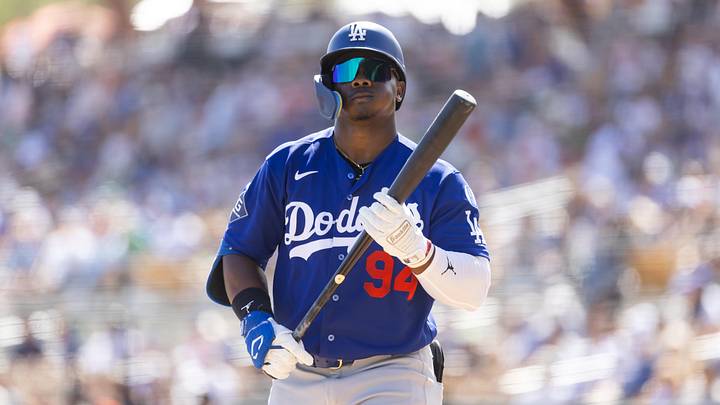
If you've been following this minor league system, you already know what the industry is saying: it's the best collection of prospects in baseball, led by a wave of outfielders so deep that six of the organization's top 10 prospects play the same position. Josué De Paula, Zyhir Hope, James Tibbs III, Mike Sirota and Eduardo Quintero are names are on every prospect list in baseball right now. For collectors, they represent an opportunity. The question is how to approach it without making the same mistake that trips up most new investors.
That mistake is chasing the hype. And the lesson for avoiding it comes from somewhere you might not expect.
On June 12, 2026, SpaceX completed the largest IPO in stock market history — pricing shares at $135 each, raising $75 billion, and opening at $150 on its first day of trading. By June 16, just four days later, the stock had surged to an intraday peak of $225.64. The excitement was real. The media attention was enormous. And then, almost immediately, the pullback began. As of this week, SPCX is trading near $154 — down roughly 27-31% from its peak in less than two weeks.
This isn't unusual, it's actually the pattern. Among the 15 largest IPOs in the past two decades, the average stock fell 50% from its IPO price at some point during its first year, and was still 33% below the IPO price by year's end. The hype spikes the price. The attention fades. The market finds its level, and, honestly, Bowman prospect cards are no different.
How card collecting actually works and how Dodgers fans can take advantage of it
This is a quick primer for those new to the space. When a player is drafted or signs as an international prospect, they typically appear in Bowman Chrome - the flagship prospect product in prospect baseball cards - within their first year in professional baseball. That first Bowman card is the equivalent of a company's IPO. It's the first time the public can "buy in" to the player as a collectible asset.
As someone who owned a hobby shop and watched the release calendar every year, I can tell you the pattern holds season after season: when the new Bowman Chrome drops, collectors flood toward the current year's prospects. Demand spikes on the new product. And almost without fail, the previous year's cards - the ones from players who were hot 12 months ago - cool off as the market's attention shifts. Additionally, as a general rule of thumb: position players are in higher demand than pitchers (with popular, athletic, marketable players leading the way) and fetch higher prices, although generational talents like Paul Skenes and Shohei are changing that narrative a bit.
Here's where the SpaceX comparison comes back. You don't buy a hot IPO at its peak on day one. You wait for the media cycle to move on, the price to find its natural floor, and the market to give you an entry point.
The same logic applies to Bowman 1st cards.
Take Emil Morales, whose first Bowman card appeared in the 2024 product. When that set released, collectors who knew his name were chasing his cards. Prices were elevated. The market was hot. But when 2025 Bowman Chrome came out, all the energy — and the buying dollars — shifted to that year's new prospects. Supply didn't change. Demand did. The natural result is that Morales' 2024 cards became more accessible at better prices, even as he continued to develop into one of the most advanced 18-year-olds in professional baseball.
As a general framework: wait approximately one year after a player's first Bowman product releases. Buy when the next year's product arrives and the market's attention is on new names. You get the same card, the same scarcity, the same upside — at a price that reflects the market's short attention span rather than its peak excitement.
For Dodgers fans looking at this system specifically, here's where I'd focus when looking at MLB's Top 10 prospects:
Josué De Paula is the crown jewel — a 21-year-old at Double-A with Yordan Álvarez comps from evaluators and a frame that hasn't finished growing. His Bowman 1st cards are already commanding premium prices. Patience on the entry point matters most here so the True Gold (/50) parallel is the long-term hold if you can find it at the right price, but if you're looking for a more affordable option: go with a true blue color match.
Emil Morales is the play right now, in my opinion. Morales is now two years removed from his first Bowman appearance, with 2025 and 2026 products having pulled attention elsewhere, his cards are more accessible than they were at release — and he's doing nothing but advancing. If he sticks at shortstop, the upside on his early Bowman cards is significant, and since he is one of the youngest players in the Top 10, he has an opportunity to hit free agency earlier than most. That caveat is important to investors looking to hold long-term, because typically when a player's free agent demand increase, his card prices respond accordingly.
Eduardo Quintero, Zyhir Hope and Mike Sirota represent the depth of this system in collectible form — each with legitimate national prospect rankings and Bowman first cards that remain relatively undervalued compared to what De Paula commands. Hope's speed tool and hit/power profile, Quintero's physical projection and bat-to-ball skills, Sirota's high-ceiling — there's a collector narrative behind each one.
James Tibbs III is an interesting case: a career year at Triple-A with a 158 wRC+ is generating buzz, and his cards have moved accordingly. This is a player who may be approaching peak collectible value alongside peak prospect value — worth watching but also worth being disciplined about, since his market is probably pretty mature. This may be a play where you buy now, hope for a trade where he is the centerpiece, and capitlize on a major league call-up with his new squad.
The Dodgers have built something genuinely special in their farm system, and the collectibles market has noticed. But noticing something and investing in it intelligently are two very different things. The SpaceX IPO taught us, in real time, what happens when hype runs ahead of fundamentals: a 50% peak-to-trough decline is the historical average for the biggest public debuts, and the pattern plays out in hobby boxes the same way it plays out on the Nasdaq.
Find the Bowman 1st card, but wait for the year-two price dip. Buy the True Blue or True Gold parallel of the player you believe in and hold it like a long-term asset, not a quick flip. And don't confuse excitement with value.
The Dodgers' window is open. So is the opportunity in their prospect cards — if you're patient enough to find the right entry point.
 Add us as a preferred source on Google