%20%20--%3E%0A%3Csvg%20version%3D%221.1%22%20xmlns%3D%22http%3A%2F%2Fwww.w3.org%2F2000%2Fsvg%22%20xmlns%3Axlink%3D%22http%3A%2F%2Fwww.w3.org%2F1999%2Fxlink%22%20x%3D%220px%22%20y%3D%220px%22%0A%09%20viewBox%3D%220%200%201004.4%20200%22%20style%3D%22enable-background%3Anew%200%200%201004.4%20200%3B%22%20xml%3Aspace%3D%22preserve%22%3E%0A%3Cstyle%20type%3D%22text%2Fcss%22%3E%0A%09.st0%7Bfill%3A%23231F20%3B%7D%0A%09.st1%7Bfill%3A%23005B9E%3B%7D%0A%09.st2%7Bfill%3A%23FFFFFF%3B%7D%0A%09.st3%7Bfill%3A%23989898%3B%7D%0A%09.st4%7Bfill%3A%23EE3B3F%3B%7D%0A%3C%2Fstyle%3E%0A%3Cg%20id%3D%22Template%22%3E%0A%3C%2Fg%3E%0A%3Cg%20id%3D%22Layer_2%22%3E%0A%09%3Cg%3E%0A%09%09%3Cpath%20class%3D%22st2%22%20d%3D%22M41%2C12.5H0v137.7h41c13.6%2C0%2C25.1-5.5%2C34.4-16.4c9.3-11%2C14.1-28.4%2C14.2-52.4c-0.1-24-4.9-41.5-14.2-52.4%0A%09%09%09C66.1%2C18%2C54.6%2C12.5%2C41%2C12.5z%20M61.5%2C115.3c-4.9%2C8.5-11.7%2C12.9-20.5%2C13.2H20.8V81.4V34.3H41c8.8%2C0.3%2C15.6%2C4.4%2C20.6%2C12.4%0A%09%09%09c5%2C8%2C7.5%2C19.6%2C7.5%2C34.6C68.9%2C95.5%2C66.4%2C106.8%2C61.5%2C115.3z%22%2F%3E%0A%09%09%3Cpath%20class%3D%22st2%22%20d%3D%22M146%2C47.3c-14.5%2C0.4-25.2%2C6.4-32.2%2C17.9c-5.1%2C8.8-7.7%2C20.4-7.8%2C34.7c0.1%2C13.8%2C2.7%2C25.1%2C7.8%2C33.9%0A%09%09%09c6.8%2C11.9%2C17.5%2C18.2%2C32.2%2C18.9c14.6-0.7%2C25.4-7%2C32.2-18.9c5.1-8.8%2C7.7-20.1%2C7.8-33.9c-0.1-14.4-2.7-26-7.8-34.7%0A%09%09%09C171.2%2C53.6%2C160.5%2C47.7%2C146%2C47.3z%20M162.5%2C119.2c-3.5%2C7.8-9.1%2C11.7-16.7%2C11.7c-6.9%2C0-12.4-3.9-16.3-11.7%0A%09%09%09c-2.4-5.5-3.5-11.9-3.5-19.1c0-7.7%2C1.2-14.3%2C3.5-19.7c3.4-7.8%2C8.8-11.7%2C16.3-11.7c7.7%2C0%2C13.3%2C3.9%2C16.7%2C11.7%0A%09%09%09c2.4%2C5.5%2C3.5%2C12.1%2C3.5%2C19.7C166%2C107.4%2C164.8%2C113.7%2C162.5%2C119.2z%22%2F%3E%0A%09%09%3Cpath%20class%3D%22st2%22%20d%3D%22M260.4%2C54.5c-4.2-4.7-10.2-7.1-18.1-7.2c-26.4%2C0.5-39.6%2C18.6-39.6%2C54.3c0%2C34.1%2C13.1%2C51.2%2C39.2%2C51.2%0A%09%09%09c6.8%2C0%2C13-2%2C18.4-6v3.5h20.8v-140l-20.8%2C10.9V54.5z%20M260%2C123.7c-4.8%2C6.6-10.9%2C9.8-18.2%2C9.7c-12.3-0.1-18.5-10.8-18.6-32.1%0A%09%09%09c0-21.1%2C6.4-32.1%2C19.2-32.9c8%2C0%2C13.9%2C3.4%2C17.7%2C10.1V123.7z%22%2F%3E%0A%09%09%3Cpath%20class%3D%22st2%22%20d%3D%22M359.5%2C54.5c-4.2-4.7-10.2-7.1-18.1-7.2c-26.4%2C0.5-39.6%2C18.6-39.6%2C54.3c0%2C34.1%2C13.1%2C51.2%2C39.2%2C51.2%0A%09%09%09c6.8%2C0%2C13-2%2C18.4-6c0.4%2C16.9-7.3%2C28.6-23%2C35.1l8.6%2C18.1c22.5-8.6%2C34.2-26.4%2C35.1-53.2V48.1h-20.8V54.5z%20M359.1%2C123.7%0A%09%09%09c-4.8%2C6.6-10.9%2C9.8-18.2%2C9.7c-12.3-0.1-18.5-10.8-18.6-32.1c0-21.1%2C6.4-32.1%2C19.2-32.9c8%2C0%2C13.9%2C3.4%2C17.7%2C10.1V123.7z%22%2F%3E%0A%09%09%3Cpath%20class%3D%22st2%22%20d%3D%22M465.9%2C61.7c-7-9.6-16.3-14.4-28-14.4c-12.4%2C0-22.1%2C5.2-29.1%2C15.5c-7%2C10.3-10.5%2C22.6-10.5%2C36.7%0A%09%09%09c0%2C17.1%2C3.6%2C30.3%2C10.9%2C39.5c7.3%2C9.2%2C16.8%2C13.8%2C28.7%2C13.8c16.9-0.4%2C28.6-8.3%2C35.1-23.6l-18.6-8c-3.9%2C7-9.6%2C10.3-16.9%2C10.1%0A%09%09%09c-5.2%2C0.1-9.5-1.9-12.8-6.1c-3.3-4.2-4.9-9.5-4.9-15.9h56.5C476.4%2C87.1%2C472.9%2C71.3%2C465.9%2C61.7z%20M419.5%2C89%0A%09%09%09c-0.3-5.2%2C1.3-10.1%2C4.7-14.7c3.4-4.6%2C8-6.8%2C13.7-6.7c5.4%2C0%2C9.6%2C2.1%2C12.9%2C6.4c3.2%2C4.2%2C4.7%2C9.2%2C4.6%2C15H419.5z%22%2F%3E%0A%09%09%3Cpath%20class%3D%22st2%22%20d%3D%22M515.9%2C55.5v-7.4h-21v102.2h21.2V87.6c0.5-12.6%2C5.2-19%2C13.9-19.3c4.1-0.1%2C8%2C1.8%2C12%2C6l6.9-19.9%0A%09%09%09c-5.1-4.5-11-6.8-17.7-7C524.5%2C47.3%2C519.4%2C50%2C515.9%2C55.5z%22%2F%3E%0A%09%09%3Cpath%20class%3D%22st2%22%20d%3D%22M598.1%2C86.3c-6.5-2.6-10.6-4.6-12.3-6c-1.6-1.4-2.4-3.2-2.3-5.3c0.1-2.5%2C1.1-4.4%2C3-5.9%0A%09%09%09c1.9-1.4%2C4.5-2.2%2C7.8-2.2c8%2C0.3%2C15.2%2C3.5%2C21.6%2C9.7l13.1-13.8c-9.3-10.3-21-15.6-35.1-15.8c-9.3%2C0-16.8%2C2.9-22.5%2C8.7%0A%09%09%09c-5.7%2C5.8-8.3%2C12.1-7.9%2C18.8c0%2C6.7%2C2.2%2C12.6%2C6.7%2C17.7c4.4%2C5.1%2C11.5%2C9.3%2C21.2%2C12.7c6.7%2C2.7%2C11.5%2C5.5%2C14.5%2C8.2%0A%09%09%09c3%2C2.7%2C4.4%2C5.7%2C4.3%2C8.8c0.1%2C3.2-1.4%2C5.8-4.6%2C7.9c-3.2%2C2.1-7.1%2C3.1-11.7%2C3c-6.4-0.1-13.6-3.5-21.6-10.1l-13.7%2C14.4%0A%09%09%09c10.7%2C10.1%2C22.5%2C15.3%2C35.3%2C15.4c11.3-0.1%2C20.1-2.9%2C26.5-8.3c6.4-5.4%2C9.7-12.5%2C9.8-21.3c0-10-3-17.9-9.1-23.6%0A%09%09%09C615%2C93.7%2C607.4%2C89.3%2C598.1%2C86.3z%22%2F%3E%0A%09%09%3Cpolygon%20class%3D%22st2%22%20points%3D%22775.5%2C85.1%20758.4%2C12.5%20738.2%2C12.5%20721.5%2C85.1%20711.3%2C12.5%20690.1%2C12.5%20709.5%2C150.3%20728%2C150.3%20%0A%09%09%09748.2%2C61.9%20769%2C150.3%20787.4%2C150.3%20806.9%2C12.5%20785.7%2C12.5%20%09%09%22%2F%3E%0A%09%09%3Cpath%20class%3D%22st2%22%20d%3D%22M883.5%2C56.4c-7-6.1-15.6-9.1-25.8-9.1c-12.4%2C0.4-23.4%2C4.1-32.8%2C11.1L835.3%2C75c6.8-5.2%2C14.5-7.7%2C23-7.4%0A%09%09%09c9.9%2C1%2C14.8%2C6.4%2C14.5%2C16.4c-5.2-1.5-10.9-2.3-16.9-2.3c-10.9-0.1-19.5%2C3.2-25.8%2C10c-6.3%2C6.8-9.5%2C15.2-9.5%2C25.2%0A%09%09%09c0%2C11.6%2C3.4%2C20.5%2C10.3%2C26.6c6.9%2C6.1%2C15.5%2C9.2%2C26%2C9.4c6.3-0.1%2C12-2.1%2C17.1-6v3.3h20.2V83C894%2C71.4%2C890.5%2C62.5%2C883.5%2C56.4z%0A%09%09%09%20M872.2%2C127c-5%2C5.1-10.3%2C7.6-15.9%2C7.6c-5.2%2C0-9.4-1.8-12.5-5.5c-3.1-3.7-4.6-7.6-4.6-11.7c-0.1-4%2C1.3-7.5%2C4.3-10.7%0A%09%09%09c3-3.2%2C6.8-4.7%2C11.4-4.7c5.8%2C0%2C11.5%2C0.8%2C17.3%2C2.5V127z%22%2F%3E%0A%09%09%3Cpolygon%20class%3D%22st2%22%20points%3D%22980.9%2C49.7%20955.6%2C120.2%20929.3%2C49.7%20906.7%2C49.7%20943.6%2C150.3%20924.4%2C199.8%20947.5%2C199.8%201004.4%2C49.7%20%09%09%0A%09%09%09%22%2F%3E%0A%09%3C%2Fg%3E%0A%3C%2Fg%3E%0A%3C%2Fsvg%3E%0A)

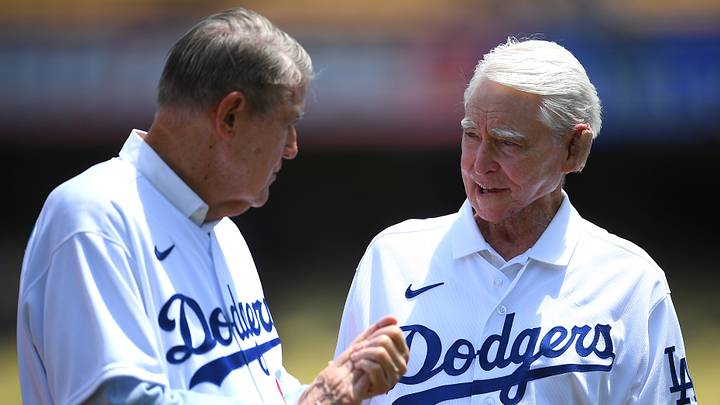
Fred Claire died Monday, on his 91st birthday, after an 11-year fight with cancer, the Los AngelesDodgers announced on Tuesday. He gave the organization three decades of his life, beginning in public relations in 1969, and by April 1987 he was running the whole operation as general manager after Al Campanis was removed. The club he inherited had just gone 73-89. Eighteen months later, it was celebrating a World Series title.
That kind of turnaround doesn't happen by accident. Claire rebuilt the roster almost from top to bottom, and the way he did it is a case study in how a general manager can change a franchise's direction in a single winter.
The 1987-1988 offseason that rebuilt the Dodgers World Series team
Claire went to work. Mickey Hatcher was one of his first signings as GM that April. He sent reliever Tom Niedenfuer to Baltimore in a deal that brought back center fielder John Shelby, then traded Rick Honeycutt to Oakland for a player to be named later, who turned out to be Tim Belcher. Belcher won 12 games as a rookie and three more in the postseason.
The bigger swings came that December. "We had to get someone to stabilize the shortstop position," Claire said, so he sent Bob Welch and Matt Young out in a three-team trade and brought back shortstop Alfredo Griffin and relievers Jay Howell and Jesse Orosco, who combined for 30 saves.
He signed outfielder Mike Davis, added Don Sutton, and Rick Dempsey, and in August landed John Tudor for Pedro Guerrero. Griffin, Howell and Belcher all came from Oakland, the team the Dodgers would face in the World Series.
"We needed to make some significant changes," Claire said years later. "We were 16 games under .500 the previous two seasons." He had tried to trade Guerrero for Kirk Gibson at the Winter Meetings, but the talks collapsed under the cloud of the collusion hearings. When Gibson reached free agency, legendary advanced scout, Mel Didier pushed his GM to go get him. On January 29, Claire signed Gibson for three years and $4.5 million.
What he got was a star and a tone-setter. In spring training, Orosco slipped eye black into Gibson's cap, and Gibson didn't take it well. He walked off the field, then held a team meeting the next day telling them that he wanted to play for a club that took the game seriously. A franchise that had lost 89 games had just found its heart and soul.
In 1988, Gibson won NL MVP with 25 homers and 31 steals, then homered in Games 4 and 5 of the NLCS against a New York Mets team that had beaten the Dodgers 10 times in 11 tries. He pulled a hamstring sliding into second base in Game 5 of that series, but the Dodgers still won in seven.
Going into Game 1 of the World Series, things looked lost for LA. Gibson couldn't start, so Hatcher took his place and wound up homering in the first inning, but Jose Canseco's grand slam put Los Angeles in a hole early, and by the ninth the Dodgers trailed 4-3 with two outs.
With Dennis Eckersley on the mound, pinch hitter Mike Davis, an eight-year Oakland outfielder who had played with Eckersley the year before, worked a four-pitch walk and stole second.
Then out of the dugout limped Gibson, on two bad legs. Vin Scully prayed, "Please don't let him strike out."
But good ole’ Mel Didier had already given the hitters the answer. He and scouts Jerry Stephenson and Steve Boros had worked until about 5 a.m. on the Oakland scouting report, finally reporting to the team before the series. Didier told the left-handed hitters: "Partner, sure as I'm standing here breathing, you're going to see a 3-2 backdoor slider."
Gibson fouled off the first two pitches, worked the count to 3-2, and stepped out. Then he sent the slider over the right-field fence, and the crowd went crazy. "In a year that has been so improbable, the impossible has happened," Scully told the country.
Through the roar, Didier was thinking about the booklets. "I sprinted up the stairs and then into the dressing room," he said. "I told the players to put away the booklets so the media doesn't see them. Hide them because we might have five or six games left."
The Dodgers still needed three more wins to win a World Series, so the secret had to stay in the building, showing off Mel's elite baseball IQ and feel. (I played at LSU with his grandson Beau Didier, and I can tell you the family legend was no exaggeration, and the Didier baseball family lineage runs strong.)
Look at that night alone and count the fingerprints. Hatcher, signed that April, started in Gibson's place. Davis, signed that December, worked the walk. Gibson was Claire's signing, Didier was Claire's scout, and Tommy Lasorda was Claire's manager, each one kept or acquired by a general manager who knew exactly the integrated system he was building. Lasorda even said it best himself regarding his resources: "We had an unbelievable scouting department."
The Sporting News named Claire the Executive of the Year, and team president Stan Kasten said the Dodgers are "forever grateful for his leadership during such a memorable era." But the thing worth remembering is simpler.
A former sportswriter, handed the keys to a club on its way to 73-89, found the right people, kept the right people, and built the team that gave Los Angeles one of the greatest nights and most improbable championship teams in baseball history.
 Add us as a preferred source on Google